
There’s something magical about having your own dedicated wine space. But if you’re living in South Louisiana, creating the perfect wine room comes with unique challenges that wine enthusiasts in drier, cooler climates don’t have to worry about.
From battling our notorious humidity to designing around hurricane season, storing wine properly in Louisiana requires thoughtful planning. Whether you’re dreaming of converting a spare closet, transforming underneath a staircase, or building out an entire room, fortunately, this guide will help you navigate the specific considerations that make wine storage successful. Let’s dive in!
The Louisiana Wine Storage Challenge
Let’s be honest about what we’re working with here. South Louisiana’s climate is about as far from ideal wine storage conditions as you can get. While wine prefers cool, stable temperatures around 55-65°F with moderate humidity, we’re dealing with summer temperatures that regularly soar into the 90s, humidity levels that can make 70% seem like a dry day, and the ever-present threat of power outages during storm season.
But here’s the thing: thousands of Louisiana wine lovers have successfully created beautiful, functional wine rooms that protect their collections year-round. It just takes the right approach and understanding of our unique environment.
Your Wine Room Questions, Answered
How Much Should I Budget for a Wine Room in Louisiana?
The cost of your wine room will depend heavily on your space, collection size, and desired features. Here’s what you can expect:
Starting Small (50-100 bottles): $2,000-$5,000 Perfect for the casual wine lover, this budget covers a basic through-wall cooling unit, simple wooden racks, and minimal renovation work. You might convert a coat closet, underneath a staircase, or a corner of a spare room.
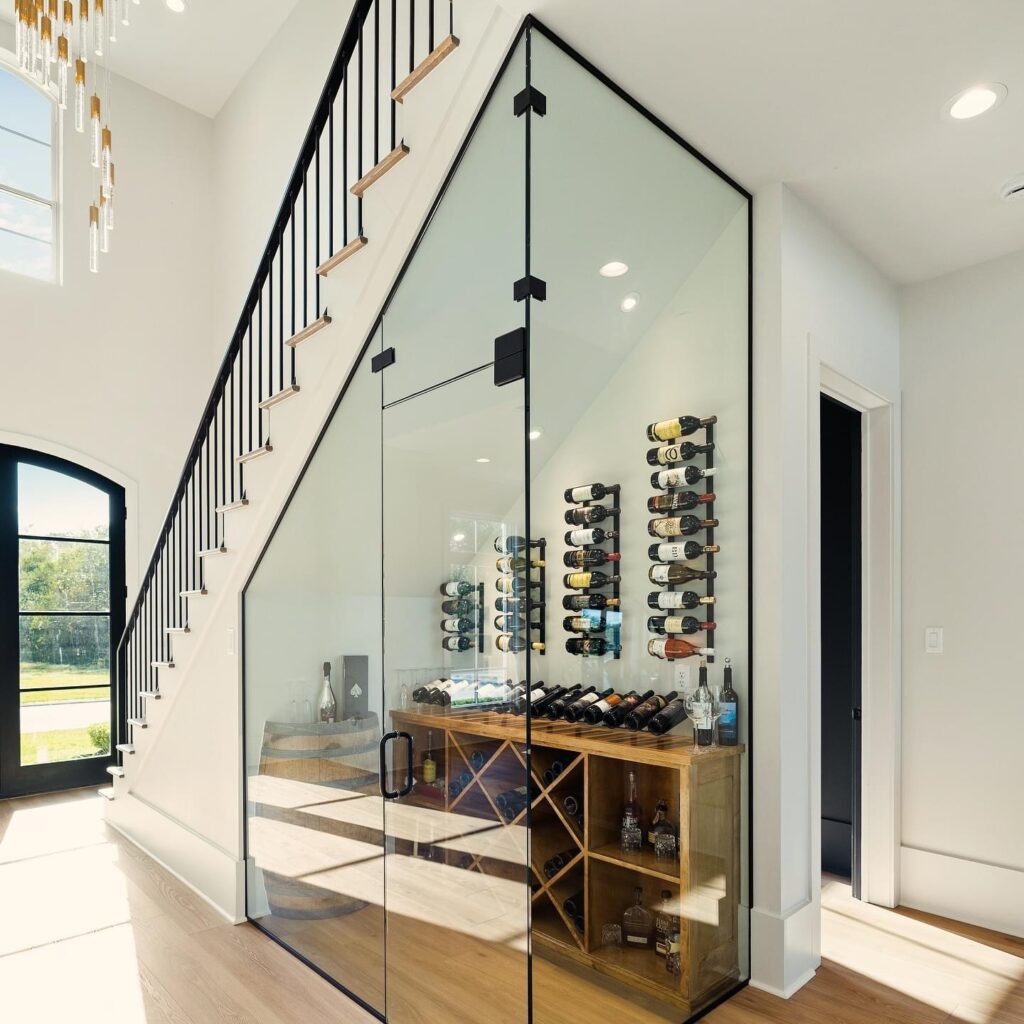
Mid-Range Investment (200-500 bottles): $8,000-$15,000 This is where most serious collectors land. You’ll get a professional climate control system that can handle Louisiana’s demanding conditions, custom racking solutions, proper insulation with vapor barriers, and attractive lighting and flooring.
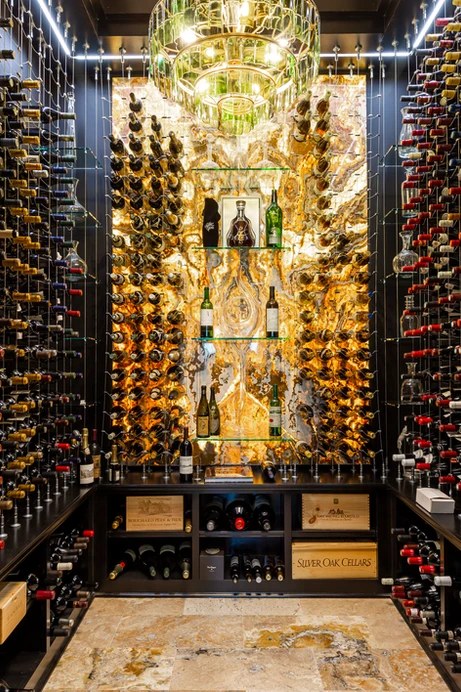
Premium Experience (500+ bottles): $20,000-$50,000+ For the true connoisseur, this investment includes commercial-grade climate control, custom millwork, dedicated tasting areas, and smart monitoring systems that alert you to any temperature or humidity changes.
Don’t forget Louisiana-specific additions:
- Enhanced insulation and vapor barriers: $500-$1,500
- Upgraded humidity control: $800-$2,000
- Flood protection measures: $300-$1,000
Can I Just Store Wine at Room Temperature?
This question hits close to home in Louisiana, where “room temperature” often means 78°F in December and 85°F+ in July, with humidity that makes everything feel sticky.
The short answer: Not if you want your wine to taste its best.
Wine stored in typical Louisiana room conditions faces several problems:
- Heat damage: High temperatures literally cook your wine, creating flat, stewed flavors
- Humidity issues: While some moisture is good, excessive humidity damages labels and can encourage mold growth
- Temperature swings: Our dramatic weather changes cause corks to expand and contract, letting air into bottles
- Premature aging: Heat accelerates chemical reactions in wine, causing it to age too quickly and lose its intended character
There are some exceptions. Wines you plan to drink within six months can often handle room temperature storage, and certain robust reds are more forgiving of temperature fluctuations. Fortified wines like port and sherry are also more resilient.
But if you’re investing in quality wines or building a collection, proper climate control isn’t a luxury—it’s essential.
DIY Wine Racks or Store-Bought: Which Route Should I Take?
This decision often comes down to your skills, timeline, and budget preferences.
DIY Wine Racks can save you 50-70% compared to custom solutions. Louisiana’s abundant pine and cypress make excellent rack materials, and they naturally handle humidity well. Building your own racks also means perfect customization for your space and collection. However, you’ll need basic woodworking tools and skills, plus the time to design and build everything yourself.
Pre-made or custom racks offer professional appearance, warranties, and proven designs optimized for wine storage. They arrive ready to install and often include features like angled storage that DIY builders might miss. The trade-off is higher cost and less customization.
My recommendation? If you’re handy and enjoy projects, start with DIY for your main storage and invest in a few premium custom pieces for your special bottles. Many Louisiana wine rooms beautifully combine both approaches.
What About Louisiana’s Extreme Humidity?
Louisiana’s humidity levels regularly exceed 70%, which creates unique challenges for wine storage. Here’s what you need to know:
Vapor barriers are non-negotiable. Unlike wine rooms in drier climates, Louisiana installations must include proper vapor barriers to prevent moisture infiltration. This protects your wine, prevents mold growth, maintains insulation effectiveness, and keeps energy costs manageable.
Humidity control systems should be sized for our conditions. Standard wine cooling units might not be sufficient—look for systems specifically designed for high-humidity environments.
Flooring choices matter. Ceramic tile, sealed concrete, or properly treated cork work best. Avoid hardwood, which can warp with humidity fluctuations.
How Do I Protect My Investment During Hurricane Season?
This is uniquely Louisiana concern that wine enthusiasts in other regions don’t face. Here’s how to hurricane-proof your wine room:
Power backup is critical. Install generator hookups or battery backup systems for your climate control. Even a few hours without cooling during summer can damage your collection.
Location matters. If possible, locate your wine room on upper floors to avoid flood risk. If you must use ground-level space, ensure proper drainage and consider flood barriers.
Documentation and insurance. Photograph your collection and maintain detailed records. Check with your insurance company about coverage for wine collections—you might need additional coverage.
Emergency planning. For truly valuable bottles, have a plan to temporarily relocate them if a major storm threatens.
What’s the Minimum Size for a Functional Wine Room?
You’d be surprised how much you can accomplish in a small space. A 4×4 foot closet can hold 100+ bottles with efficient racking and proper climate control. The key is maximizing vertical space and choosing the right cooling system for your room size.
Small space tips:
- Use every inch of vertical space
- Consider modular racking that can expand
- Choose compact, efficient cooling units
- Focus on easy access to your most frequently enjoyed wines
Getting Started: Your Next Steps
Creating a wine room in South Louisiana requires balancing your wine storage dreams with our challenging climate realities. Start by assessing your space, determining your budget, and deciding whether you want to tackle this as a DIY project or work with professionals who understand Louisiana’s unique requirements.
Remember, even a simple conversion can dramatically improve your wine storage compared to leaving bottles in typical room conditions. Whether you’re starting with a converted closet or planning an elaborate tasting room, the key is proper climate control and understanding how to work with (rather than against) Louisiana’s environment.
Your wine collection—and your future dinner guests—will thank you for the investment. After all, there’s nothing quite like pouring a perfectly preserved bottle that’s been waiting patiently in your own private wine sanctuary, ready to complement another beautiful Louisiana evening.